Sketches of Sardinia
At 20 years old, the summer before my senior year at Princeton, I stubbornly decided to forgo an internship or any paid work experience and instead chose to WWOOF in Italy for two months. The Mediterranean island of Sardinia beckoned me for some reason, so I spent a month with a couple of hosts.
The first host was an older woman who had me stay in a quaint, rustic little cottage on her farm outside of Cagliari. It had an en suite bathroom and books about Marxism lining the wall above the bed, so you know I felt like I'd made the right decision.
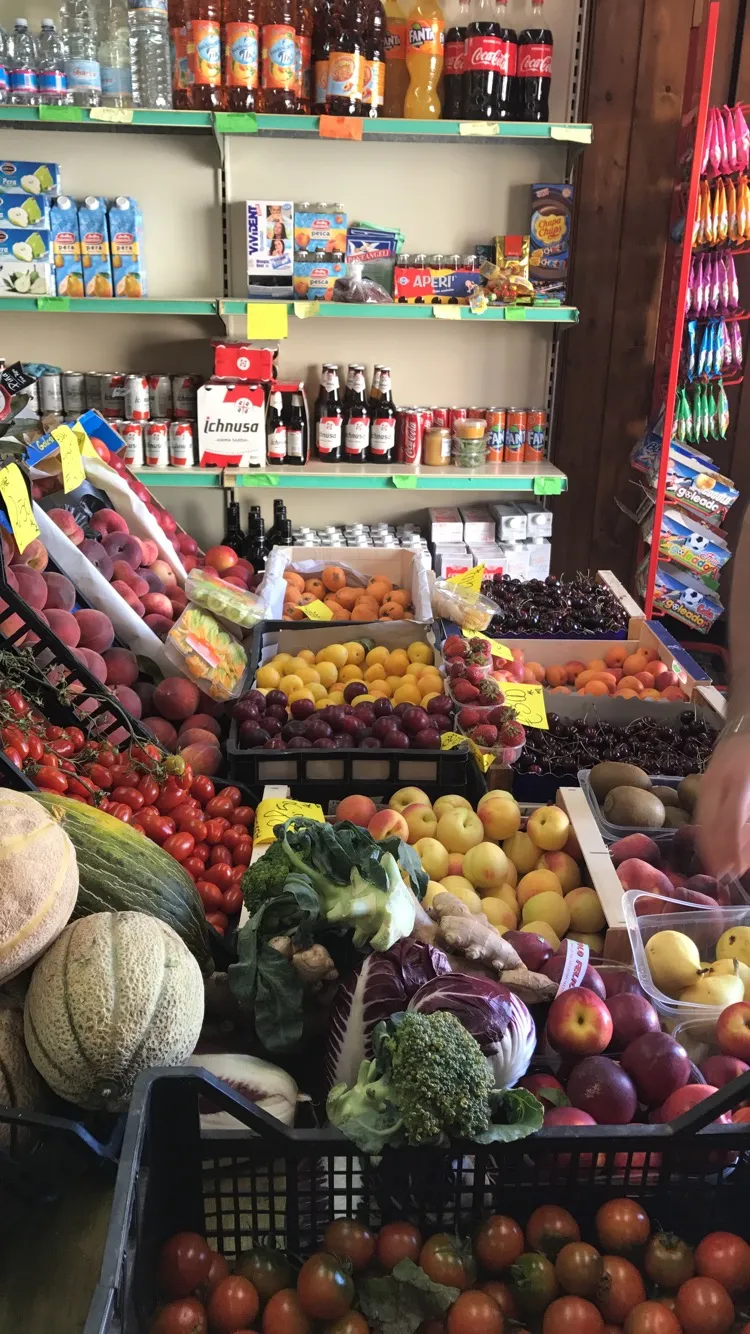
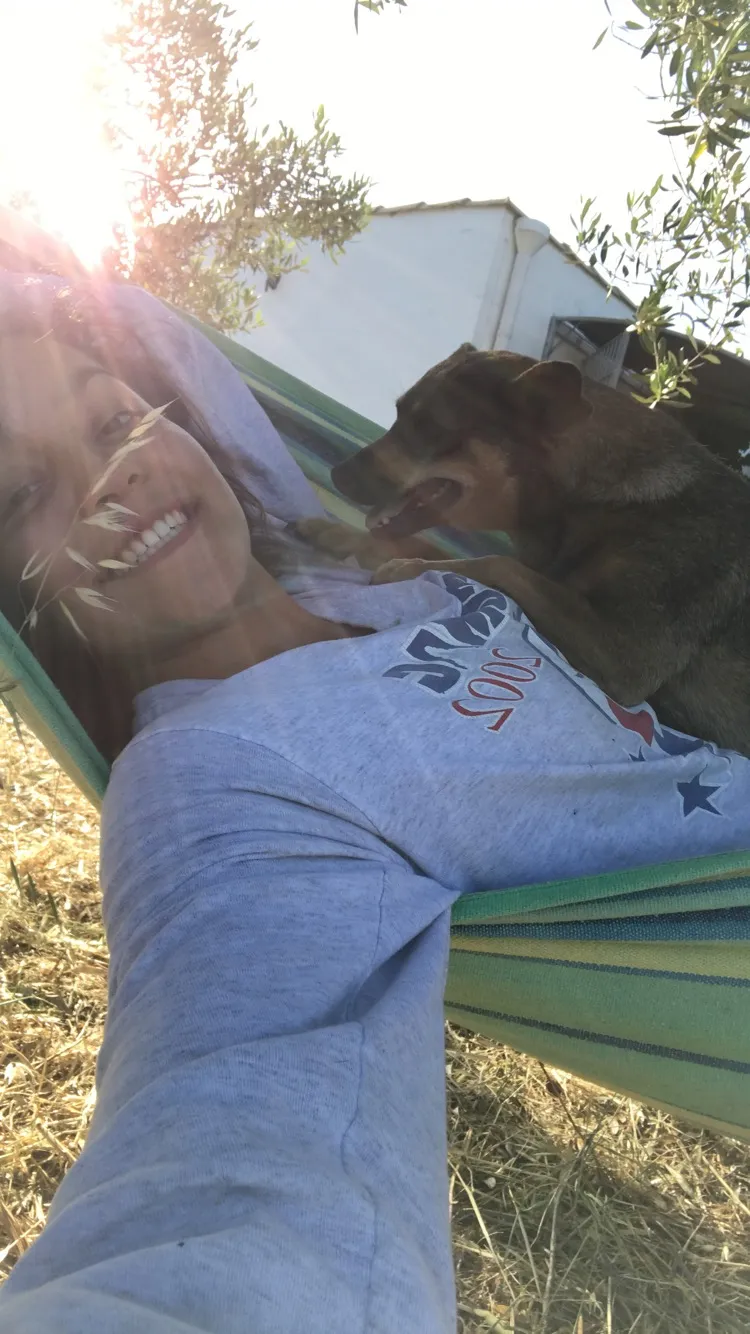
My host was patient with my combination of rudimentary conversational Italian and youthful gregariousness. She made all of our meals from scratch using locally-grown, organic produce. She made her own hand soap out of lemons, which I found delightful. About a week or so into my stay with her, she told me that she due to obligations requiring her to travel to Cagliari, she didn't think I would be getting a great experience from staying with her as a WWOOFer. Instead, she'd found suitable replacement hosts, a young couple with lots of energy who were building out their farm. I was hesitant, but what was I going to say? So, I packed up and she drove me to what would be my home for the rest of my stay in Sardinia.
God works in mysterious ways. We often are not aware of the divine gifts He lays upon our paths until long after the time has passed. WWOOFing with Silvia and Stefano is one of the highlights of my life. I will never forget the way that we lived or the idealism with which they constructed their lives.
I was a bit shy upon being dropped off with new hosts. I remember one of the first things Silvia asked me on that first day at their patio dining table was, "Arianna, vuoi andare alla piaggia?" That was all I needed. I immediately said, "Yes!" We packed up and drove to the beach from their farm outside of Pabillonis. The water along the Sardinian coast has this particular azurean clarity that draws you to it. We ate peaches in the sand and I climbed the rocks in the shallows. Silvia and Stefano quickly made me feel at home. It helped that they had another WWOOFer, an Italian girl named Lucia from Molise. She spoke some English, so it made it easier to speak to Silvia and Stefano, neither of whom spoke any English whatsoever.
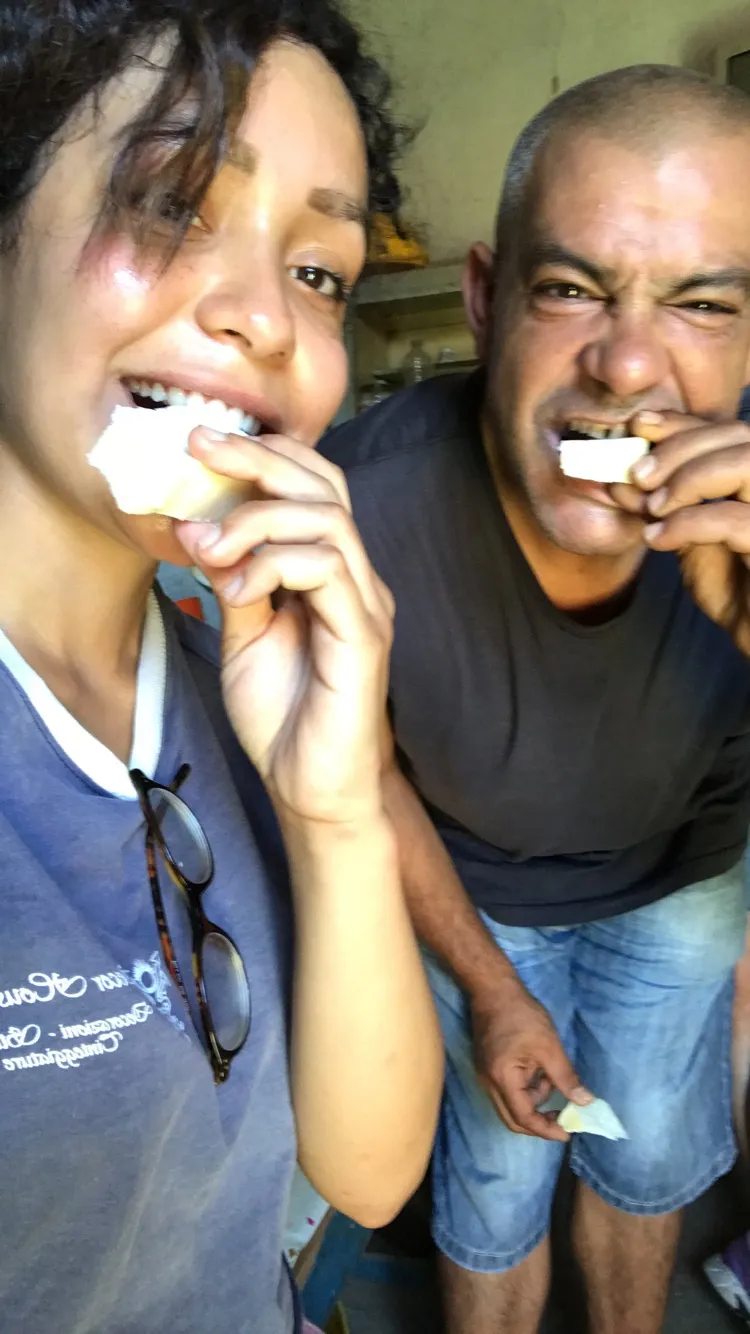
At the time I met them, they were trying to get their permaculture-based homestead off the ground, so they weren't fully established per se. Silvia worked as a teacher at a local school. They had a portrait of Antonio Gramsci in their cabin. We made seemingly endless moka pots of espresso interspersed with our smoke breaks. I taught Stefano the American slang "spliff," which he found fun to say. They hosted presenters who discussed various tenets of permaculture. I will admit that my Italian was not advanced enough to understand 100% of these discussions but what I did get was thought-provoking. Lucia and I stayed in a camper van near their cabin, where we each had a bed. We'd shower in the outdoor shower at night, using water that had been warmed from the day's sun.
Silvia and Stefano had many friends, almost akin to chosen family. I recall one that was a chef in Pabillonis. He gave Lucia a temporary job as a waitress so she could earn some cash over the summer. One night we all went over to the restaurant at midnight where he whipped us up some pasta. I enjoyed spending time with their group of friends, who came to hang out with us on an almost daily basis. One day, we went to a farm and made traditional Sardinian cheese. Their friends often brought ingredients to contribute to dinner, which we cooked communally.
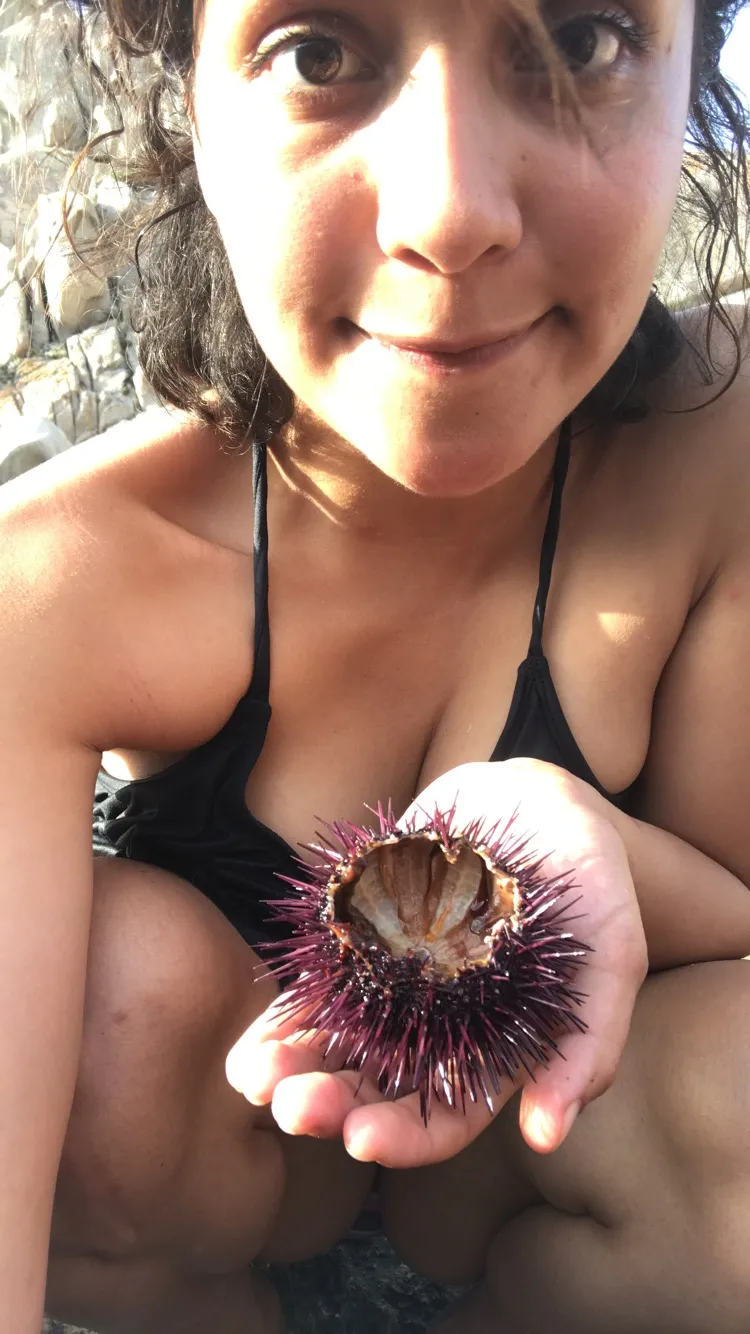
Silvia and Stefano are proud Sardinians. They took me and Lucia on drives around the island, showing us the ancient nuraghe ruins scattered around the Sardinian countryside. They introduced us to classics of Sardinian music, such as "Non Potho Reposare".
Unu mundu bellissimu pro tene
Pro poter dispensare cada bene
Unu mundu bellissimu pro tene
Pro poter dispensare cada bene
Non potho reposare amore 'e coro
Pensende a tie so donzi momentu
T'assicuro che a tie solu bramo
Ca t'amo forte e t'amo e t'am
T'assicuro che a tie solu bramo
Ca t'amo forte e t'amo
Towards the end of the summer, we went on a road trip to Capo Testo, specifically in search of the Valle della Luna. We packed a lot of food in the car and drove northbound to Santa Teresa Gallura with the intention of camping on the beach for a few days. While there, I showered in the ocean the evenings, after we'd spent the day walking around and meeting the hippies who live in caves in the Valle della Luna. The cave hippies were quite friendly and ready to regale us with stories. A few of Silvia and Stefano's friends accompanied us on this excursion, so it was a communal, fun-loving atmosphere in which everyone drank bottles of Ichnusa beer. One afternoon, we sat in the fading sunlight in a rocky mountain outcrop and had an impromptu jam session, in which Lucia vocalized the melody of the song, "Cumbia Sobre el Mar".
We listened to a lot of music that summer. I remember telling them that I liked Lucio Dalla's music, and they introduced me to his fantastic song "Canzone," which firmly remains my favorite Dalla song to date. Lucia showed me the song "4/3/1943," which reminds me of her whenever I listen to it. Stefano really loved playing the Roman artist Mannarino's song "Arca Di Noe" every night at dinner.
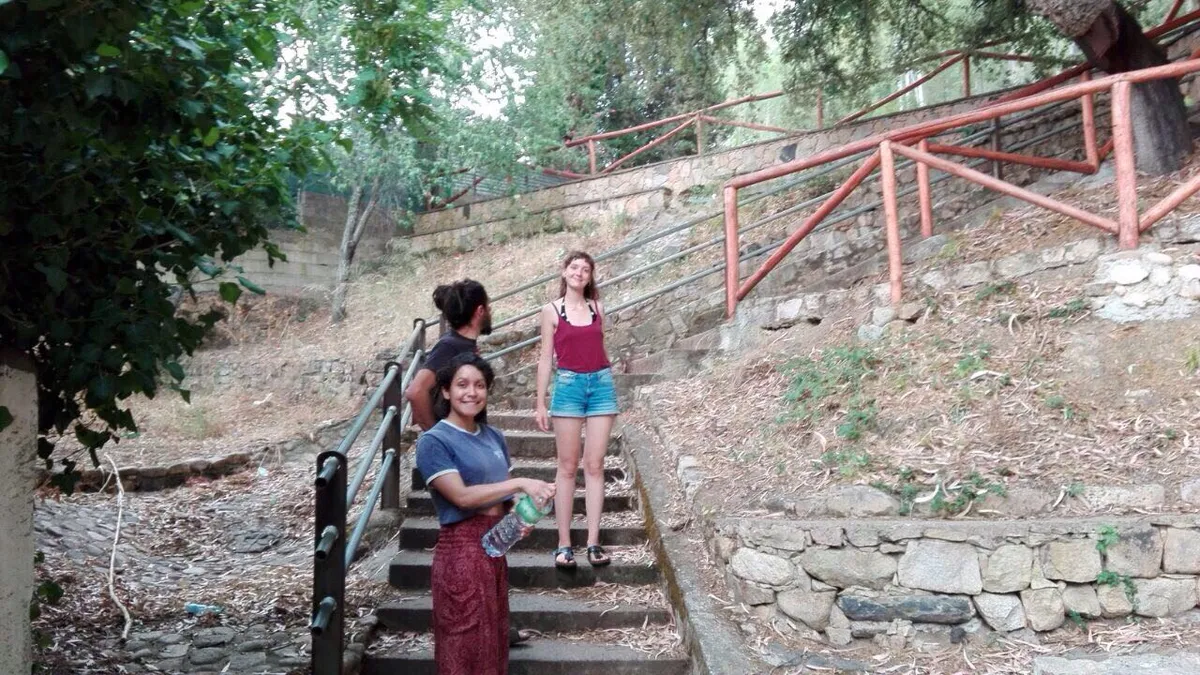
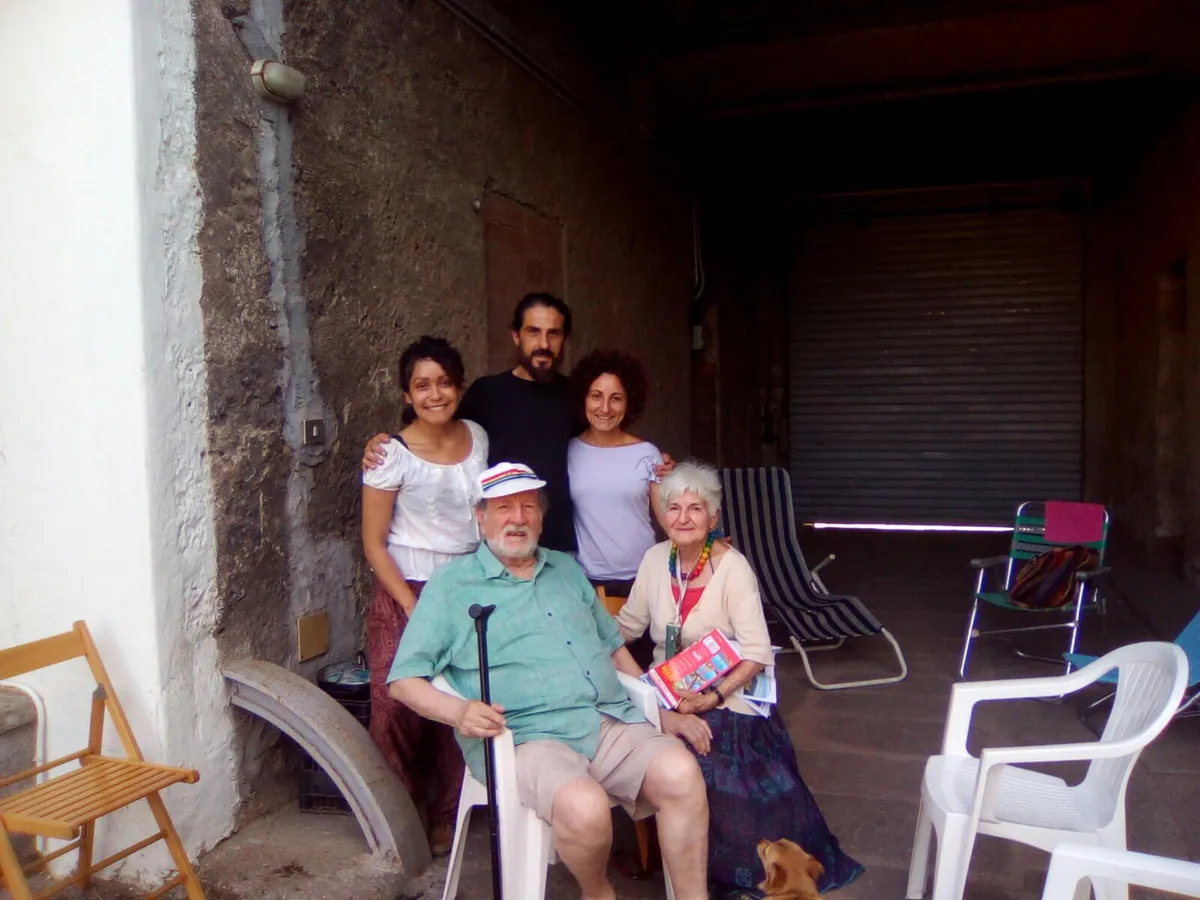
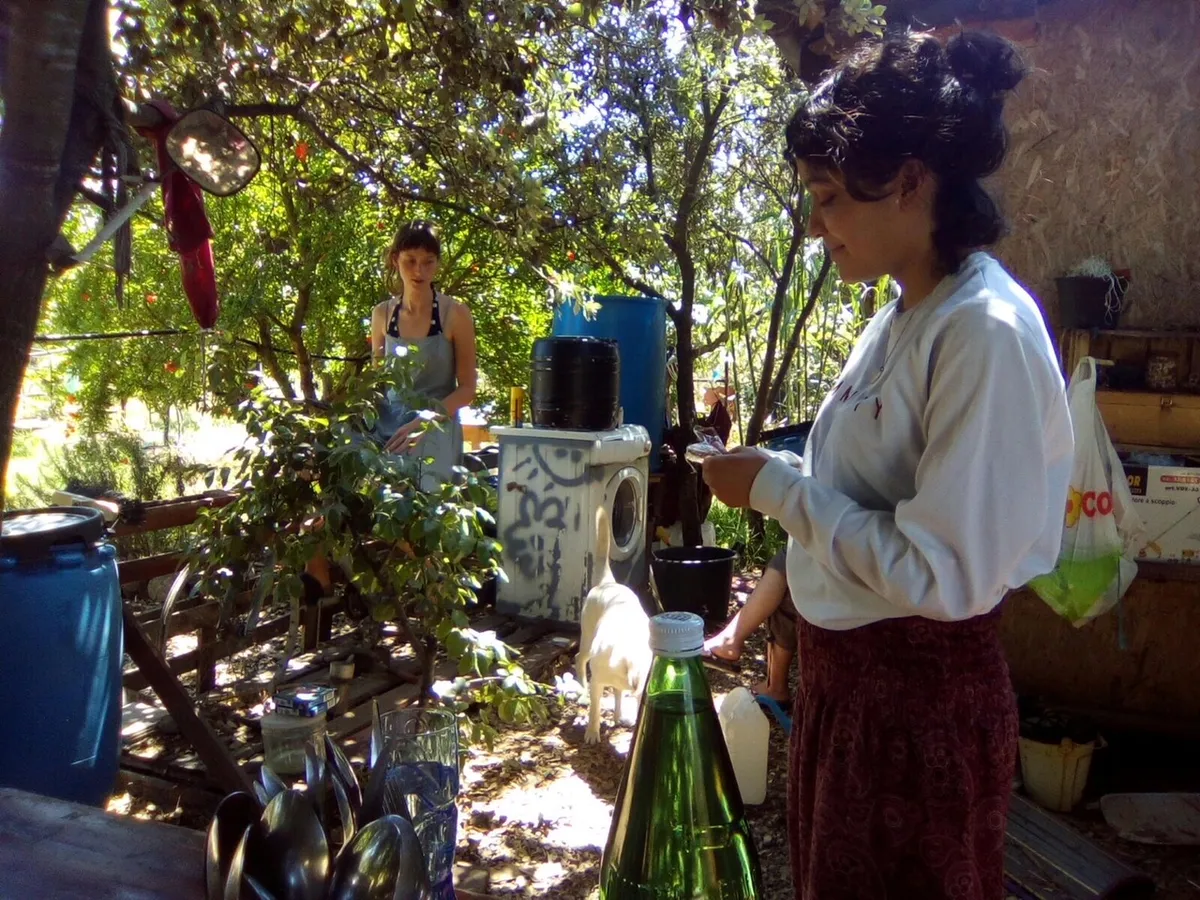
I don't recall ever being so utterly content in my life as I'd been during my stay with Silvia and Stefano. The perpetual search for something had quietly ceased. Everything I needed--food, water, sun, community, love--was all around me. We spent almost every hour of the day outdoors doing various tasks, washing the dishes, making coffee, drinking beer in the afternoon, or sitting on the haystacks overlooking the Medio Campidano. My skin browned from the sun, I barely brushed my hair, and I wore the same three outfits the entire summer, yet I felt complete. I'd never had the exquisite sensation of actively living through an experience that I was assured would leave an indelible mark on my person. I still harbor the dream of returning to visit Silvia and Stefano bearing gifts, bringing funds for their farm, overwhelming them with big hugs, and profusely thanking them for their generosity. They treated me as they would have a daughter. I recall one afternoon, likely a month into my stay with them, asking Silvia if they wanted to have children. She looked at me a bit quizzically and said, "We're ready for the children that will come to us."